


The Houses – Part 2 – 144 Templates
The astrological system utilizes four key components – the signs, the planets, the aspects, and the places. Until now we have disregarded this last component, more commonly referred to as the houses, but for this series it will be important to understand what they are and how they work. The houses are the primary way for delineating topics in astrology and they provide important context when interpreting astrological placements in general. There are twelve “houses” and they are assigned in order to each zodiacal sign, starting from the sign that is on the horizon at the time the chart is cast for.
Let’s look at an example chart for the present moment to understand this better:
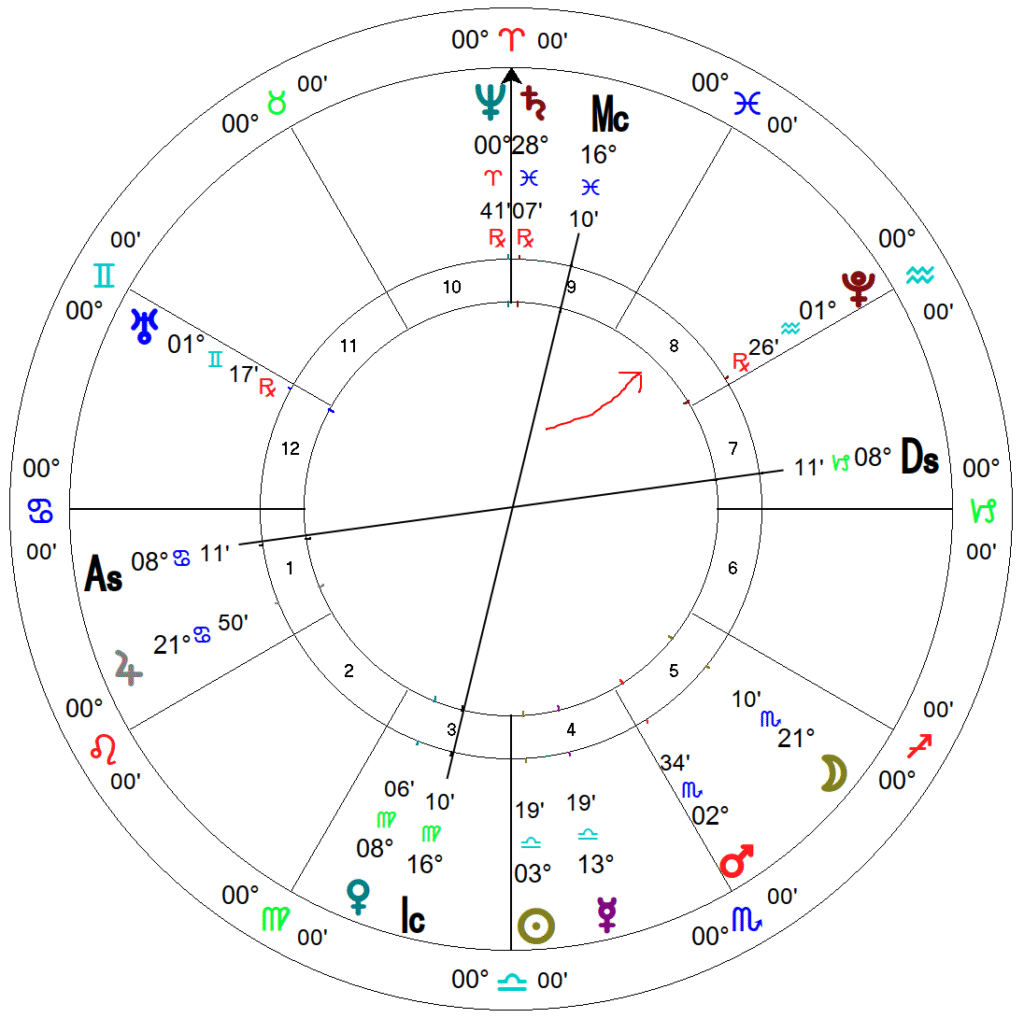
First of all, note the points labeled As, Mc, Ds, and Ic, and the lines drawn between them. These are the angles of the chart and they are a key component to understanding the houses. The first angle, known as the “ascendant” is marked as As. This is the line of the horizon at the time of the chart. The “descendant” is the opposite location in the sky and it is labeled “Ds.” The other line marks the ‘midheaven,” the highest point in the sky, and it is labeled “Mc.” At its opposite at the lowest part of the chart is the “imum coeli” labeled the ‘Ic.” The ancient Greek term for these is “pivots” and it is helpful to understand them as such. In the system these points can be thought of as a sort of “power point” that charges anything it is near. (As we will discuss later, the twelve houses are based upon these points). Of primary importance is the “ascendant,” because it is the line that determines the order of the houses.
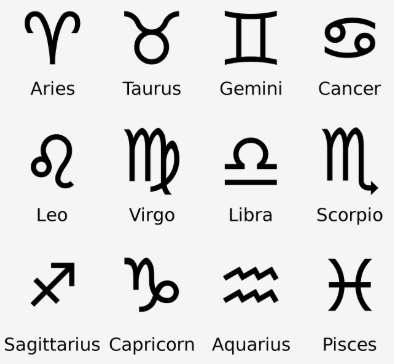
The Ascendant line is the precise degree of the eastern horizon. In our example case above it is at 8*11 of the zodiacal sign “Cancer.” This marks Cancer as the “first house” of the twelve and makes it the “rising sign.” Each house is then assigned sequentially according to zodiacal order, so Leo becomes the “second house,” Virgo is the “third house,” etc. The final “twelfth house” will be the sign of Gemini that immediately precedes Cancer. As long as the ascendant is within the sign of Cancer then Cancer will become the first house. Were we to cast the chart for an hour or two later the ascendant line would be in the following sign of Leo, so that would become the first house, Virgo the second, and eventually Cancer the twelfth. The Ascendant always determines where the sequence of houses begins and which zodiacal sign is assigned to each house.
(In our chart example I have helpfully added a red arrow pointing at the numbered inner-ring of the chart, toward the eighth house. Those numbers label the number of the house, although in practice if you can count to twelve you only need to know the line of the Ascendant to determine which sign is in which house of a given chart and that is why it is not typically displayed).
(Note: there exist other ways to calculate the houses and this subject is one of great interest and contention throughout the long history of astrological interpretation. The method used here is known as “Whole Signs” and it is the oldest and most widely-attested of methods. It works).
The houses matter because they show the topics. They do not have the courtesy to be especially straight-forward about this. To understand the houses it is necessary to take them down to their very base significations, then you build atop those significations to discover specific topics. This involves interpreting them in combination and along with planets, but we do not need to do any of that for now. Instead we will focus on the most base level understanding of what each house is showing. The primary signification for each house is:
- First House: You
- Second House: What you have
- Third House: What is near you
- Fourth House: Where you come from
- Fifth House: What you give
- Sixth House: Your responsibilities
- Seventh House: The Other
- Eighth House: What others have
- Ninth House: What is out there
- Tenth House: Where others are
- Eleventh House: What others give
- Twelfth House: The responsibilities of others to you
In the next part we’ll expand on each of these and explain how to make use of them for understanding both events and their influence on the character of an individual.
Leave a Reply